Kenchō-ji Temple is the oldest Zen temple in Kamakura and one of the most important Zen monasteries in Japan. It is an ideal place to visit if you have half a day in Kamakura and want a calm, meaningful experience away from busy tourist areas.
Founded in 1253, Kenchō-ji has served as a center for Zen training for centuries. The temple grounds are spacious, surrounded by nature, and designed for slow, mindful walking rather than quick sightseeing.
This guide is based on my own visit and focuses on a relaxed walking route, highlighting the most important buildings and quiet spots. If you enjoy history, Zen culture, and peaceful walks, this half-day itinerary is a good choice.

At a glance
• Time needed: 2–3 hours
• Nearest station: Kita-Kamakura Station (15–20 minute walk)
• Walking difficulty: Moderate (some gentle slopes)
• Walking distance: About 3 km
• Crowd level: Low to moderate
• Entrance fee: Around ¥500 (cash recommended)
How to Get There
Kenchō-ji Temple is located about a 15–20 minute walk from JR Kita-Kamakura Station on the Yokosuka Line.
If you start from Kamakura Station, the walk takes about 30 minutes, or you can take a short bus ride. The walk from Kita-Kamakura is quieter and more scenic, making it the recommended option.

Suggested Half-Day Walking Route
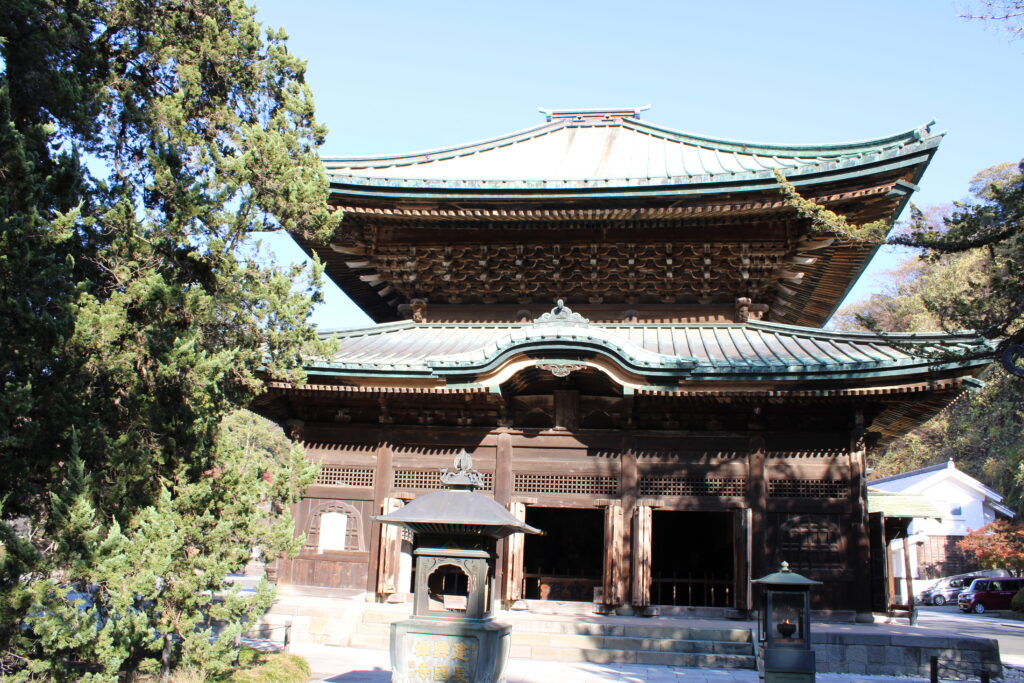
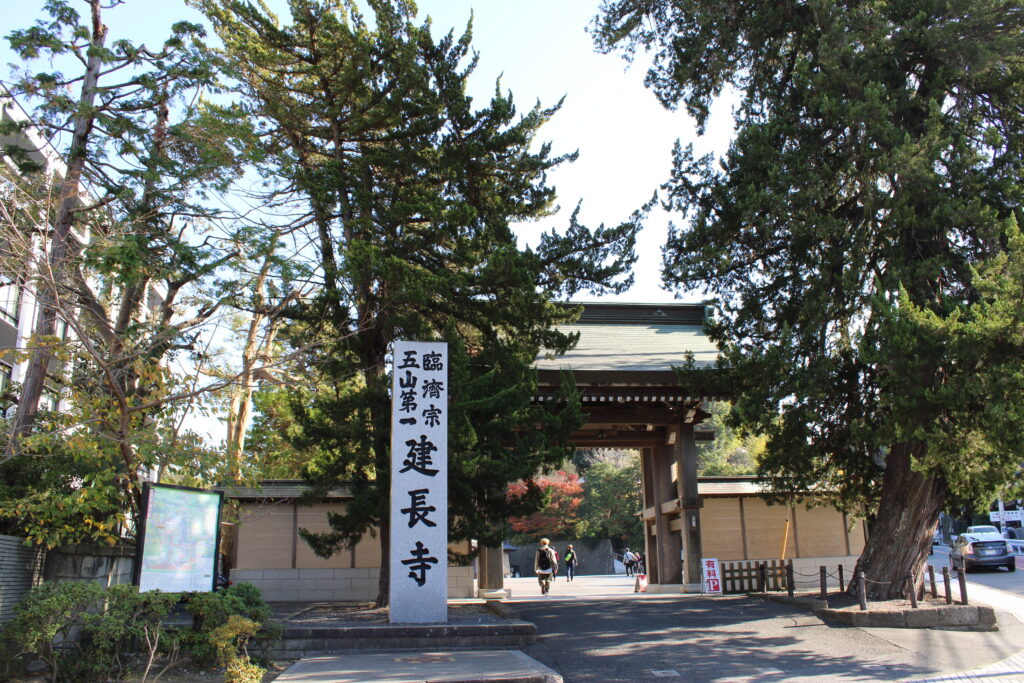
Sanmon— The Main Entrance
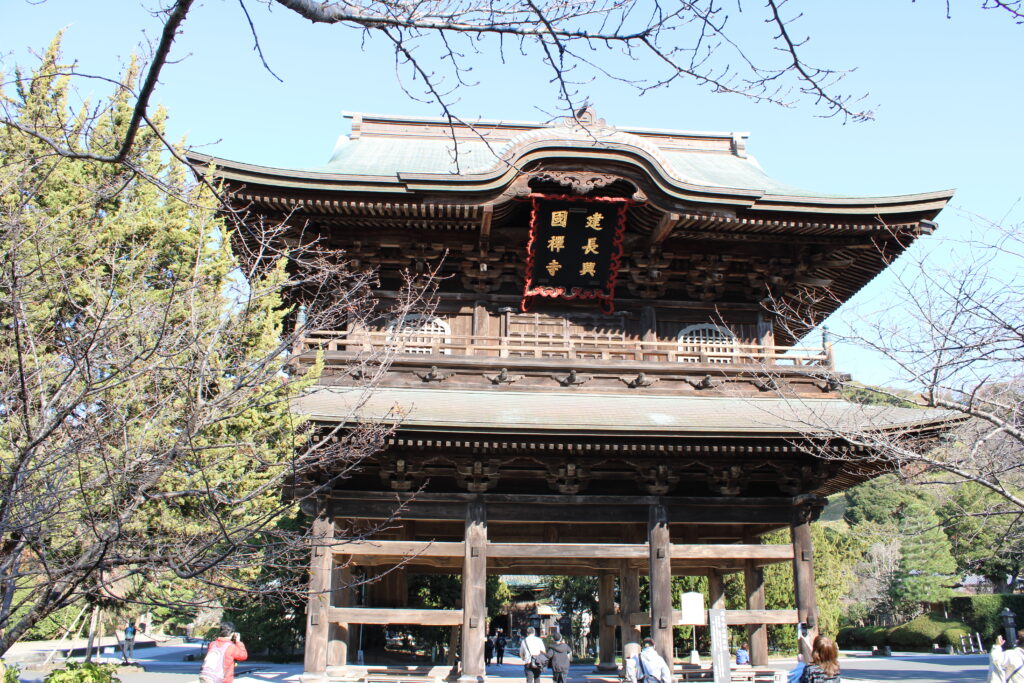
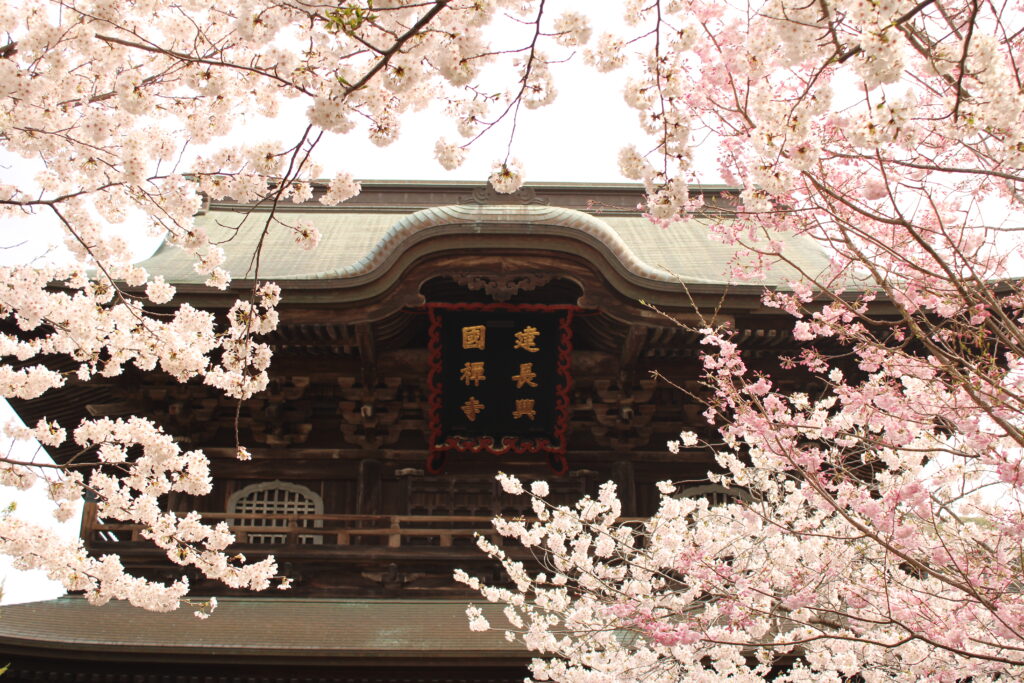
Your visit begins at the impressive Sanmon Gate, the main entrance to Kenchō-ji. Passing through this large wooden gate marks the transition from the outside world into the calm atmosphere of the temple.
Take a moment here to slow down and look at the symmetry and scale of the structure before continuing inside.
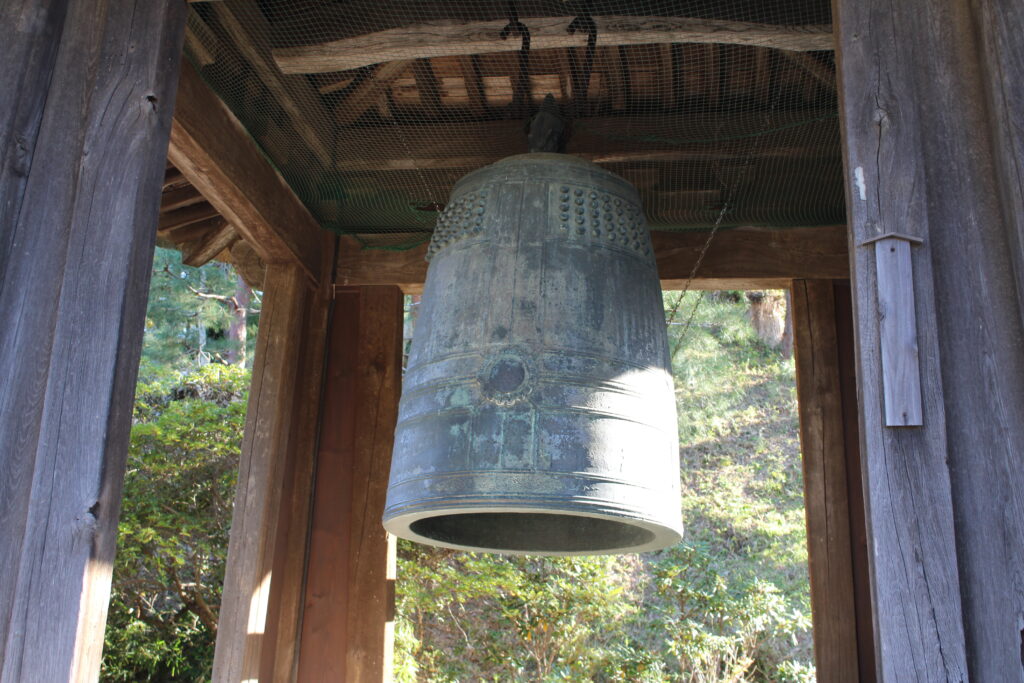
Shōrō — The Great Temple Bell
Near the entrance stands the Shōrō, which houses one of Japan’s oldest temple bells. Cast in the 13th century, this bell is designated as a National Treasure.
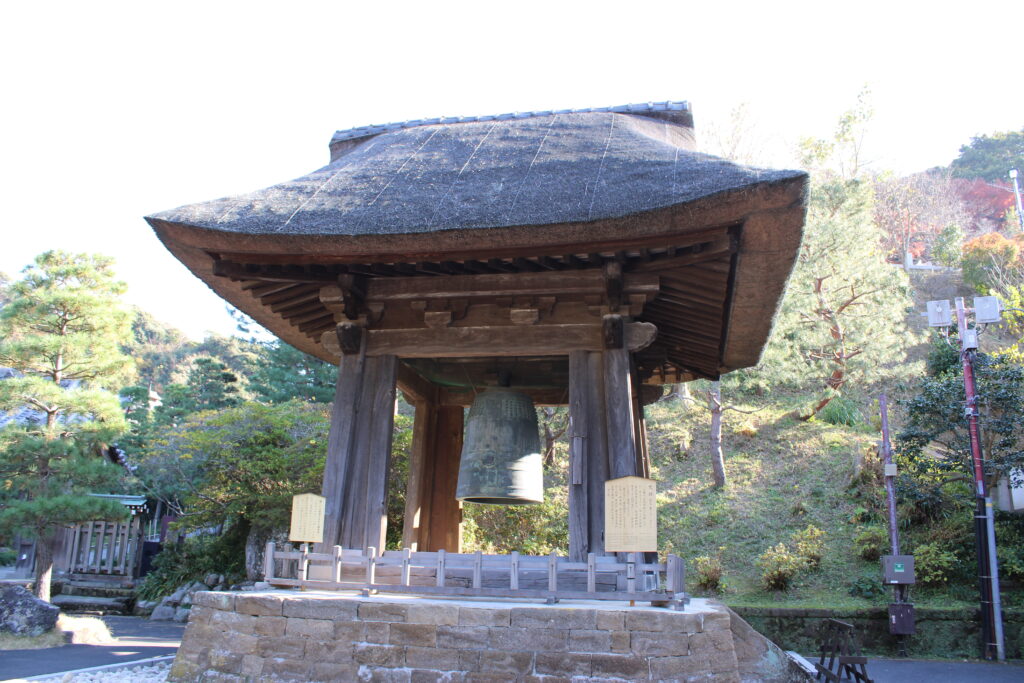
Its presence reflects the long spiritual history of Kenchō-ji and the importance of sound and ritual in Zen practice.
Butsuden — Main Buddha Hall
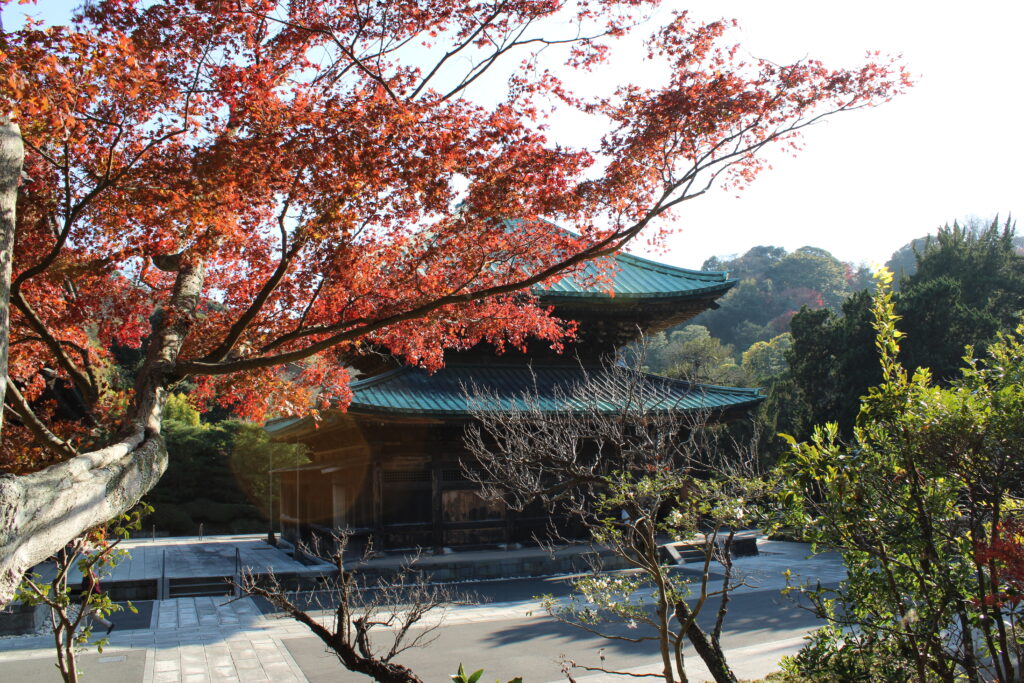
Walking further into the grounds, you will reach the Butsuden, the main hall of the temple. Inside is the principal Buddha statue, and the hall itself has a dignified, restrained design typical of Zen architecture.
Many visitors pause here quietly before continuing their walk deeper into the temple complex.
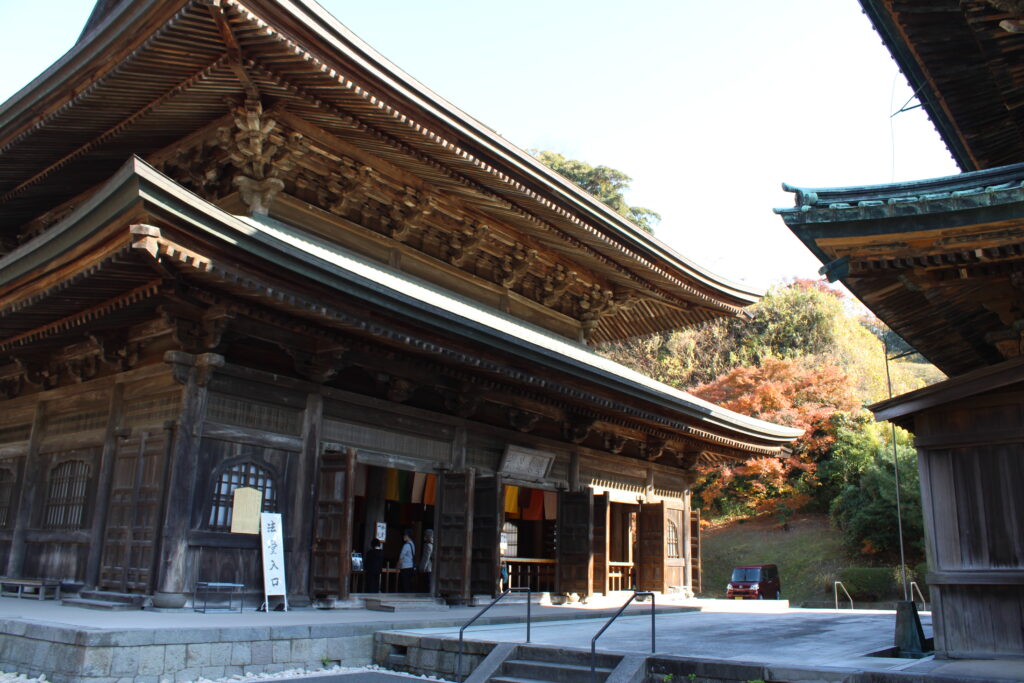
Hattō — Dharma Hall
Behind the Butsuden is the Hattō, or Dharma Hall, where monks traditionally gathered for teachings and ceremonies.
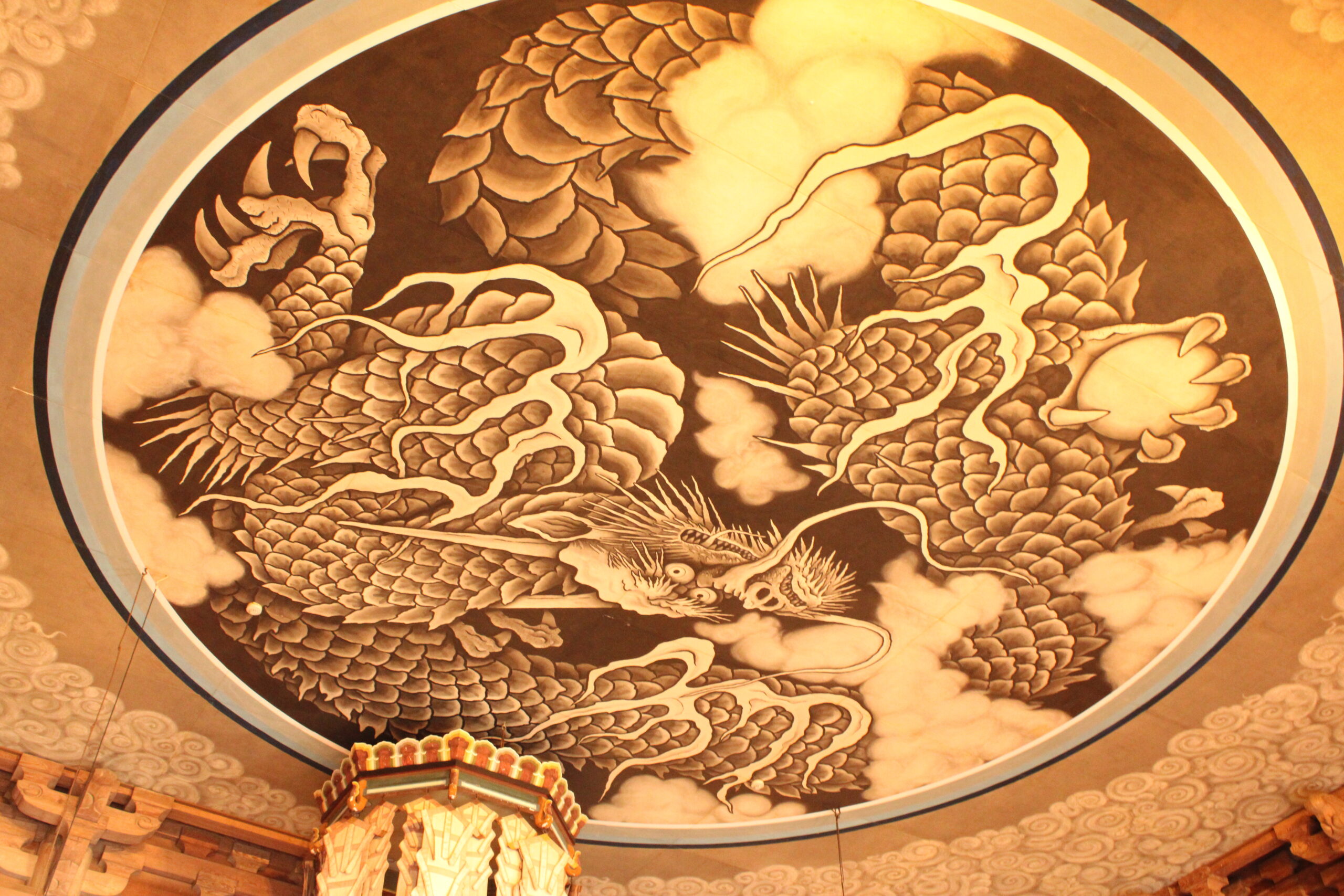
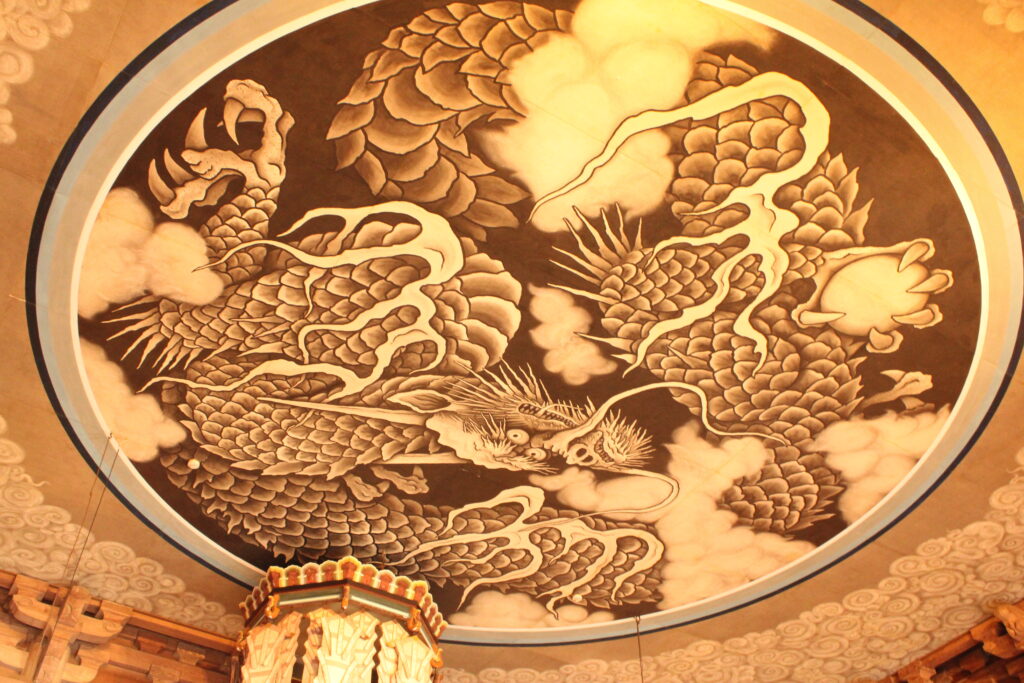
The interior features a large dragon painting on the ceiling, symbolizing spiritual power and protection. Even if you spend only a short time here, the space leaves a strong impression.
Additionally, in front of the Senju Kannon Bosatsu, there’s a notably emaciated statue that appears almost lifelike—a depiction of the “Buddha in Asceticism”.

This statue was generously donated from a certain country. Can you guess where? The answer is Pakistan. We’re grateful to the Pakistani government for donating such a valuable artifact.
Karamon — Chinese-Style Gate
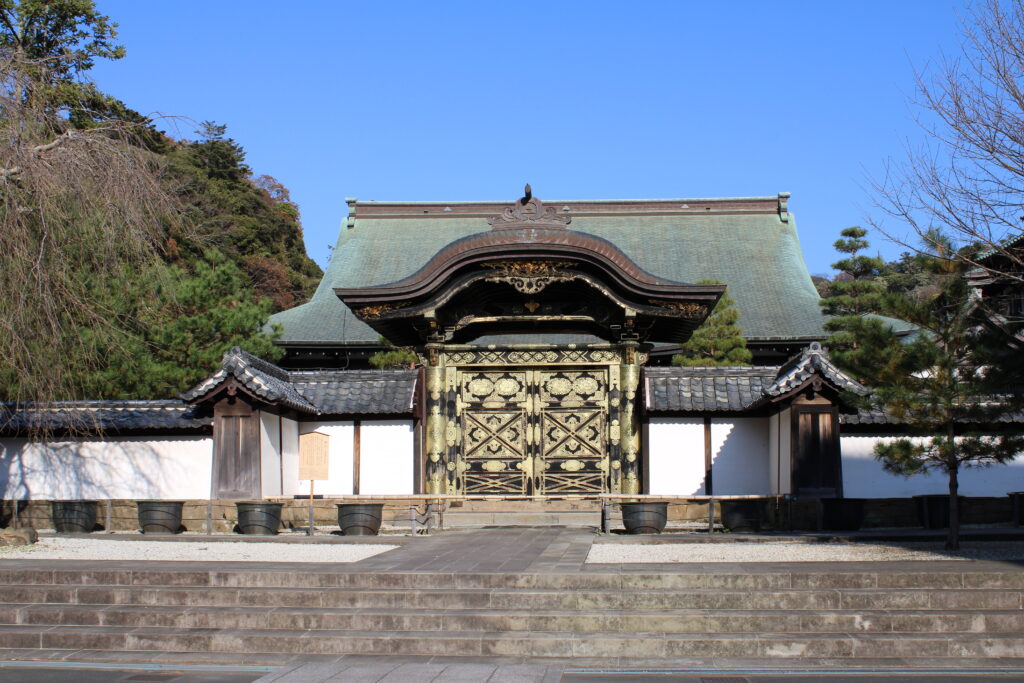
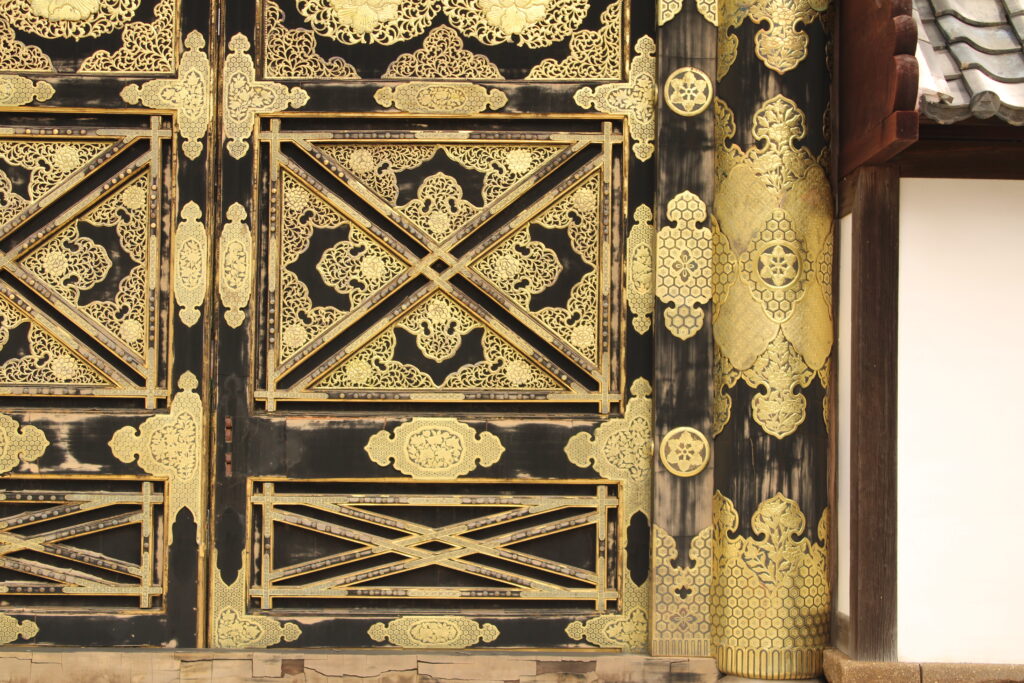
Near the central area of the temple grounds is the Karamon, an ornate Chinese-style gate. Its decorative details contrast with the simplicity of other buildings and reflect historical cultural exchange between Japan and China.
This is a good spot for photography and a short rest before continuing.
Back Path and Nature Walk
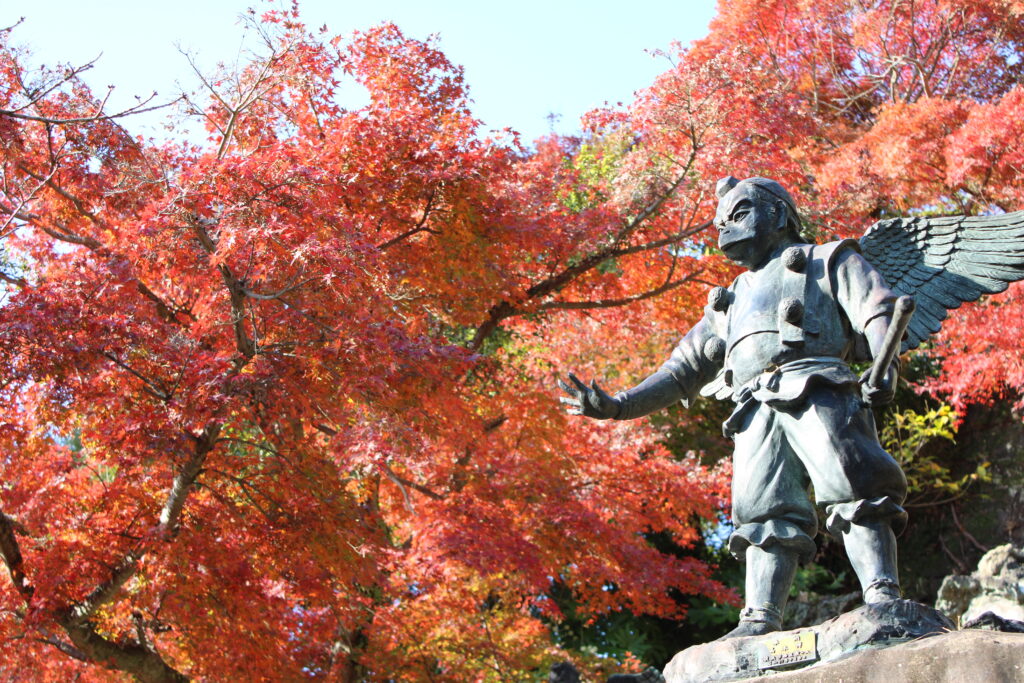
Toward the rear of the temple grounds, paths become quieter and more natural. Tall trees, mossy stone paths, and seasonal scenery create a peaceful environment ideal for slow walking and reflection.

This part of Kenchō-ji feels far removed from the city and is one of the highlights of the visit.
Why Kenchō-ji Is Worth a Half-Day Visit
・The oldest Zen temple in Kamakura
・Spacious grounds designed for walking
・Fewer crowds than central tourist spots
・Strong balance of history, architecture, and nature
・Ideal for travelers who prefer calm experiences
Practical Tips for Visiting
・Visit in the morning for a quieter atmosphere
・Wear comfortable walking shoes
・Bring cash for entrance fees
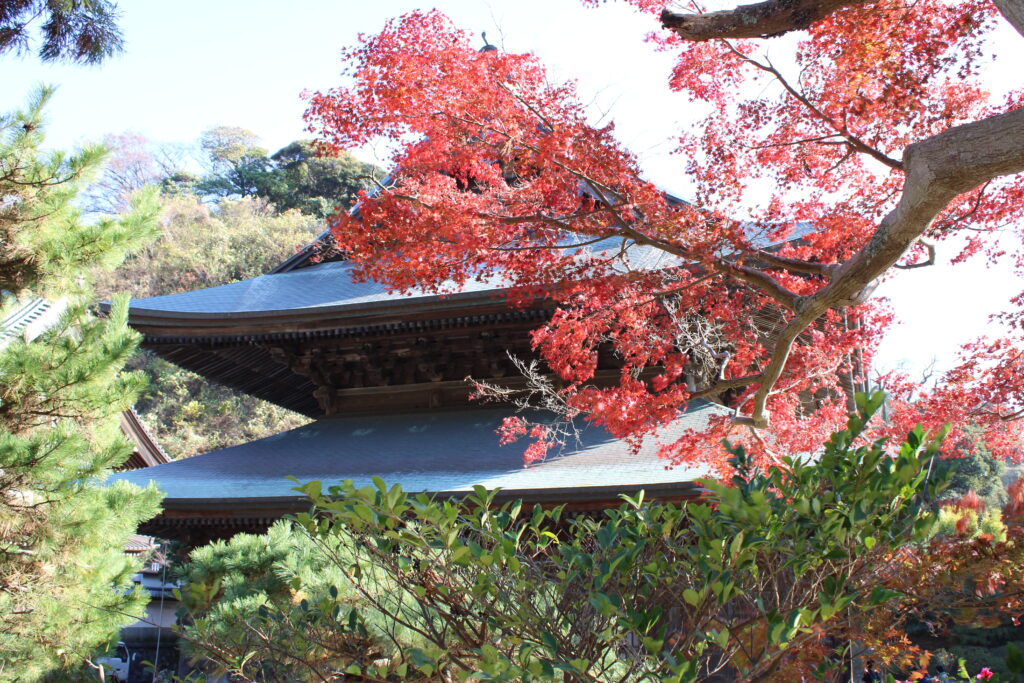
・Spring and autumn offer especially beautiful scenery
・Combine with nearby temples such as Engaku-ji if you have more time
https://ashigarukumakichi.com/02-engakuji/
Personal Impression
Walking through Kenchō-ji feels different from visiting more crowded temples. The wide paths and quiet atmosphere encourage you to slow down and pay attention to your surroundings.
Rather than trying to see everything, this half-day walk is about enjoying the space and the time you spend there.
Conclusion
Kenchō-ji Temple is an excellent choice for a half-day itinerary in Kamakura, especially for travelers interested in Zen culture and peaceful walking routes.
With its historical significance, spacious grounds, and calm atmosphere, Kenchō-ji offers a meaningful experience that rewards visitors who take their time.
If you enjoy quiet walks and cultural depth, Kenchō-ji is one of the best temples to include in your Kamakura visit.

コメント